
Technology is becoming a bigger part of everyday life, and homes are evolving along with it. From smart lighting and automated blinds to connected security systems, homeowners now have more ways than ever to improve comfort and convenience.
At J Miles Design, we believe the best smart homes combine technology with thoughtful design. That is where smart home interior design comes in.
But what exactly is smart home interior design, and how does it improve the way people live?
Let’s take a closer look.
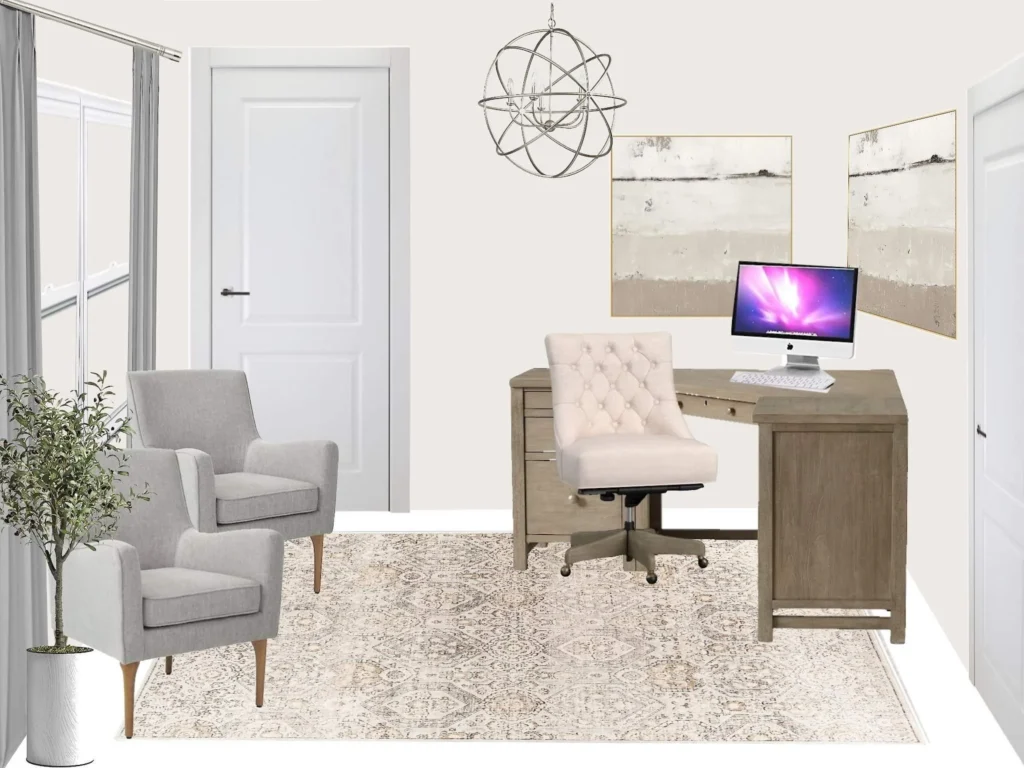
What is smart home interior design?
Smart home interior design refers to the planning and styling of interiors that incorporate connected devices and automated systems. These systems can be controlled through smartphones, voice assistants, or programmed schedules.
Examples include smart lighting that adjusts based on time of day, thermostats that learn user preferences, automated blinds, and integrated sound or security systems.
Unlike traditional interiors, where design focuses primarily on aesthetics and function, smart home interior design adds a third layer: responsiveness.
The home becomes an active environment rather than a static space.
How does smart home design change interior planning?
Smart technology changes how spaces are planned because design now needs to account for devices, wiring, control systems, and user interaction.
Furniture placement, lighting layout, and even wall finishes may be influenced by where sensors, speakers, or control panels are installed. A personalized room design package can help bring these elements together while keeping the space practical and visually balanced.
This makes early planning more important than ever.
For example, lighting is no longer just about fixtures. It becomes part of a system that adjusts brightness and color temperature based on activity or time of day.
Similarly, living rooms may include hidden speakers or integrated entertainment systems that influence layout decisions.
At J. Miles Design, we often consider how technology will be used in a space before finalizing layouts. Through our virtual interior design services, homeowners can receive professional design guidance and create a cohesive plan from anywhere.
What are the benefits of smart home interior design?
One of the biggest benefits of smart home interior design is convenience. Daily tasks like adjusting lights, controlling temperature, or managing security can be automated or controlled remotely.
This creates a more comfortable living experience because the home adapts to the user rather than requiring constant manual adjustment.
Energy efficiency is another major advantage. Smart thermostats and lighting systems can reduce unnecessary energy usage by adjusting automatically based on occupancy or time of day.
There is also a strong comfort and lifestyle benefit. Homes feel more personalized when systems learn user behavior and adjust accordingly. A well-developed interior design mood board can also help homeowners visualize how colors, materials, furnishings, and smart technology will work together.
How is lighting used in smart home interior design?
Lighting is one of the most important elements in smart home interior design because it directly affects mood, functionality, and atmosphere. Smart lighting systems can adjust brightness and color temperature throughout the day. Bright white light may be used in the morning to support focus, while warmer tones in the evening help the body relax.
This type of lighting control plays a significant role in interior design and mental wellbeing because it supports natural circadian rhythms. Layered lighting design is also important. Instead of relying on a single overhead light, smart homes often combine ambient, task, and accent lighting that can be controlled independently or as a group.
How does smart home design affect daily life?
Smart home design simplifies daily routines by reducing the number of manual actions required to manage a home.
For example, a morning routine can be automated so that blinds open, lights gradually brighten, and temperature adjusts automatically. In the evening, the home can shift to a relaxation mode with softer lighting and reduced noise levels.
This creates a smoother transition between different parts of the day and reduces decision fatigue.
It also improves accessibility, especially for individuals who may have mobility challenges or busy lifestyles. Voice control and automation allow for greater independence and ease of use.
What should be considered when designing a smart home?
Successful smart home interior design requires early planning. Technology should not be treated as an afterthought.
Key considerations include system compatibility, future scalability, and ease of use. A system that is too complex can reduce the user experience rather than improve it.
Aesthetic integration is also important. Devices, switches, and panels should be placed in a way that does not disrupt the visual flow of the interior.
At J. Miles Design, we often approach smart home projects by first understanding lifestyle needs, then designing both the physical space and technology layout together. This ensures that the final environment feels cohesive, not fragmented.
What is the future of smart homes interior design?
The future of smart home interior design is moving toward deeper integration between architecture, interior design, and technology.
Homes will become more adaptive, with systems that learn behavior patterns and adjust automatically to support comfort, efficiency, and wellbeing. For larger projects, a whole-home interior design plan can help create consistency across connected spaces.
There is also a growing focus on wellness. Lighting, air quality, temperature, and acoustics are increasingly being designed to support physical and mental health.
As technology continues to evolve, interior design will play a key role in ensuring that homes remain human-centered rather than overly technical.
Final Thoughts
Smart home interior design represents the next stage in how we think about living spaces. It combines technology and design to create homes that are not only beautiful but also intelligent, responsive, and efficient.
When done correctly, smart systems enhance daily life without overpowering the interior aesthetic. The goal is always balance—where technology supports comfort rather than distracting from it. At J. Miles Design, we see smart home design as an opportunity to create spaces that feel effortless to live in.
By combining thoughtful interior planning with modern technology, homes can become more intuitive, comfortable, and aligned with the way people actually live today.


