
The best dining room ideas do more than make a space look beautiful. They create an environment where family meals, celebrations, and everyday conversations feel comfortable and inviting. Whether you have a dedicated dining room or a compact dining area, thoughtful design can transform the way you use the space.
At J. Miles Design, we believe a well-designed dining room should balance style with functionality. From furniture selection to lighting and décor, every design decision should support both the way you live and the atmosphere you want to create. If you’re looking for professional guidance, our virtual interior design services make it easy to create a dining room that is both beautiful and practical. Here are some practical ideas to help you design a dining room that feels timeless, welcoming, and functional.
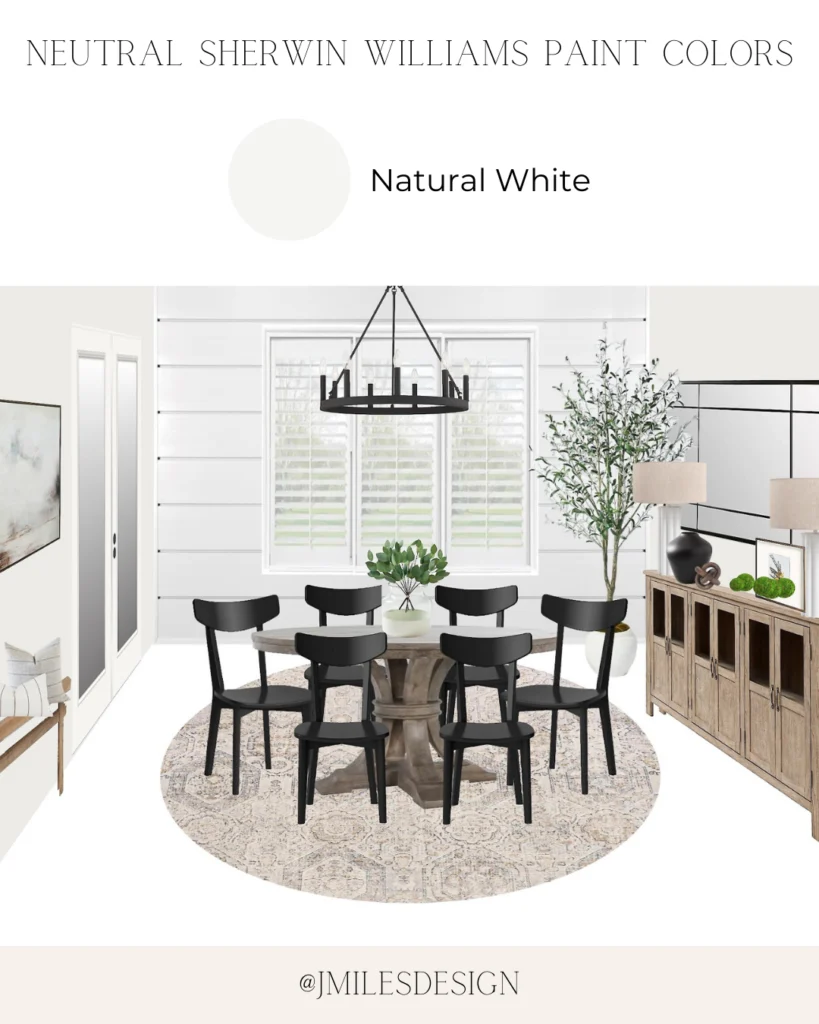
Start with a Layout That Fits Your Lifestyle
Every successful dining room interior begins with a thoughtful layout. Before choosing furniture or décor, think about how the space is used. Do you regularly host dinner parties, enjoy casual family meals, or need a flexible area that doubles as a workspace?
Following a proven virtual interior design process helps ensure every design decision is tailored to your lifestyle while maximizing the functionality of your space.
Leave enough space around the table for chairs to move comfortably and for people to walk through the room without feeling cramped. Even in smaller homes, a well-planned dining area interior can feel open and inviting when the layout is carefully considered.
Choose Furniture That Balances Comfort and Style
Furniture plays the biggest role in defining the overall look of your dining room. Instead of selecting pieces based solely on appearance, look for furniture that complements your home’s architecture while providing everyday comfort. Upholstered dining chairs add warmth, while wooden tables create a timeless foundation that works with both traditional and contemporary interiors.
At J. Miles Design, we often recommend investing in quality pieces that can adapt to changing décor over time. Our room design packages help homeowners create cohesive interiors with carefully selected furniture and décor. A thoughtfully chosen dining table and comfortable seating create a strong foundation that allows accessories and styling to evolve without requiring a complete redesign.
Whether your preference leans toward classic elegance or modern dining rooms, choosing versatile furniture helps create a space that remains stylish for years to come.
Create a Cohesive Color Palette
Color has a significant influence on the atmosphere of a dining room. Neutral shades such as warm white, beige, soft gray, and greige create a timeless backdrop that works well with a wide variety of furniture styles. These colors also allow artwork, lighting, and decorative accents to become focal points without overwhelming the room.
If you prefer a bolder look, consider incorporating color through artwork, upholstered chairs, or decorative accessories rather than painting every wall in a dramatic shade. This approach creates visual interest while maintaining balance.
A cohesive palette is one of the most important principles of interior design for dining room spaces because it helps every element feel connected.
Layer Your Lighting for Different Occasions
Lighting does much more than illuminate a room. It helps define the mood and functionality of the space. A statement pendant or chandelier above the dining table often serves as the centerpiece, but it should not be the only source of light. Wall sconces, table lamps, or recessed lighting can provide additional layers that make the room feel warmer and more inviting.
Dimmer switches are another valuable addition because they allow you to adjust the ambiance depending on the occasion. Bright lighting may work well for family dinners, while softer lighting creates a relaxed atmosphere for entertaining guests.
At J. Miles Design, we often view lighting as one of the easiest ways to elevate an interior design dining room project. Our online interior design helps homeowners create layered lighting plans that combine beauty with everyday functionality.
Mix Textures to Add Depth
One reason professionally designed dining rooms feel more inviting is the thoughtful use of texture. Wood, glass, metal, linen, velvet, and natural stone each bring their own character to a space. Combining different materials creates depth while preventing the room from feeling flat or overly uniform.
For example, a solid wood dining table pairs beautifully with upholstered chairs, while woven rugs and linen curtains soften harder surfaces.
This layered approach works particularly well in modern interior design dining room projects because it adds warmth without creating visual clutter.
Decorate with Purpose Instead of Filling Every Surface
One common mistake in dining room decorating is adding too many accessories.
Instead of displaying numerous decorative items, focus on a few pieces that make an impact. A large piece of artwork, a well-styled centerpiece, or an oversized mirror often creates a stronger visual statement than multiple smaller decorations. Many timeless dining room themes follow this principle by emphasizing quality over quantity. Allow decorative elements to complement the furniture rather than compete with it.
Negative space is equally important. Leaving some areas intentionally uncluttered helps the room feel more spacious and elegant.
Bring Personality into the Space
A beautiful dining room should also reflect the people who use it. Family heirlooms, travel souvenirs, handcrafted pottery, or meaningful artwork can all help personalize the space without disrupting the overall design.
If you’re looking through pictures of modern dining rooms for inspiration, you’ll notice that the most memorable spaces often include subtle personal touches rather than perfectly staged accessories. This personalized approach reflects our design philosophy, where every room is created to reflect the homeowner’s lifestyle while maintaining a cohesive overall aesthetic.
Make Small Dining Areas Feel Larger
Not every home has a formal dining room, but thoughtful design can make even compact spaces feel comfortable. Round tables often improve circulation in smaller rooms, while light-colored walls and strategically placed mirrors help create a greater sense of openness. Furniture with exposed legs can also make the room feel less visually heavy.
Choosing appropriately scaled furniture is one of the most effective ways to improve a smaller dining interior design without sacrificing functionality.
Simple styling and a restrained color palette also help smaller spaces feel brighter and more open.
Blend Modern Trends with Timeless Design
Design trends come and go, but a dining room should remain functional and attractive for years.
Rather than completely redesigning the space every few seasons, consider incorporating trends through artwork, lighting, or decorative accessories that are easier to update. A timeless foundation paired with carefully selected modern elements creates a balanced look that works well in both traditional homes and modern dining rooms.
If your project involves remodeling multiple rooms or building a new home, our new build and renovation design services can help create a cohesive design from the very beginning.
This approach allows the room to evolve naturally while avoiding costly renovations driven by short-lived design trends.
Final Thoughts
Creating a stylish dining room is not about following every trend or filling the space with expensive furniture. The best dining room ideas focus on thoughtful layouts, comfortable furnishings, balanced lighting, and carefully chosen décor that reflects your lifestyle.
At J. Miles Design, we believe great interior design starts with understanding how people live. Whether you’re updating a formal dining room or refreshing a small dining area, our virtual interior designers can help you create a space that feels both beautiful and functional for years to come.


