
Decorating a whole house can feel like a big task. You may have saved photos of beautiful rooms, picked out a few pieces of furniture, or chosen colors you love. But when it is time to put everything together, you may not know where to begin. Professional Whole Home Décor services can help you create a clear plan for every room.
If you are asking, “how to decorate my house,” the best place to start is with a simple plan. You do not need to buy everything at once or follow every new design trend. Instead, focus on how you use each room, what styles you enjoy, and how your choices will work together.
This guide will show you how to plan your budget, choose furniture, select colors, and decorate each room. You will also learn how to avoid common mistakes and create a home that feels comfortable and personal.
How to Decorate My House: Where Should I Start?
Before buying furniture or decorations, look at your home as a whole.Think about what you like and what your family needs. A room should look beautiful, but it should also make daily life easier.
Start with these simple steps:
- Walk through each room and decide how you will use it.
- Measure the rooms, windows, and large furniture pieces.
- Save photos of colors and styles you like.
- Make a list of what you already own and what you need.
- Set a budget before you start shopping.
For example, if your family spends most evenings in the living room, comfortable seating may matter more than expensive decorations.
If you work from home, you may need a quiet office with good lighting and storage. Making these choices first gives you a clear direction for the rest of your home.
Step 1: Choose the Best Interior Design Styles for Your Home
One of the first questions homeowners ask is which style will look best in their space. There are many options, but the best interior design styles are the ones that match your taste and daily needs.
Modern Style
Modern interiors often use simple furniture, clean lines, and neutral colors. This style can work well for people who enjoy open spaces and fewer decorations.
Traditional Style
Traditional homes often include classic furniture, warm colors, wood finishes, and detailed fabrics. This style can create a welcoming and familiar feeling.
Transitional Style
Transitional design combines modern and traditional features.
For example, you might pair a classic sofa with a modern coffee table and simple lighting.
You do not need to follow one style perfectly. Choose the parts you like and use them throughout your home.
Step 2: Create a Color Scheme That Connects Every Room
Choosing colors for an entire house can be difficult. You may love blue in one room and green in another. Both can work, but the home should still feel connected. Start with a few main colors that you can repeat in different spaces.
For example, you could use warm white walls, natural wood furniture, and soft blue accents.
The living room might have blue pillows, while the bedroom uses blue bedding. This creates a connection without making every room look the same. Test paint samples on your walls before making a final choice. Colors can look different in morning light, evening light, and under lamps. A simple color plan helps your home feel calm and organized.
Step 3: Plan Furniture Layouts Before Shopping
Furniture is one of the biggest parts of home decorating. Buying a sofa or dining table without checking its size can lead to problems later. Measure each room and think about where people will walk.
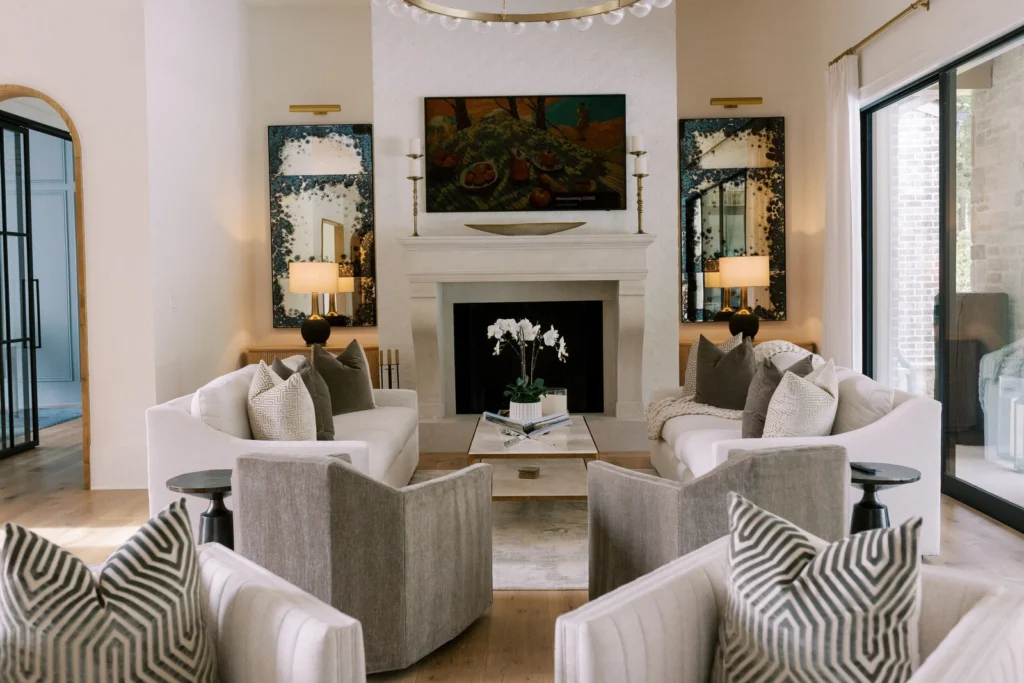
Living Room
Start with the main seating area. Place the sofa where it supports conversation, television viewing, or both. Leave enough space to walk around chairs and tables.
Bedroom
Choose a bed that fits the room without blocking doors or closets. Add bedside tables and storage based on the space available.
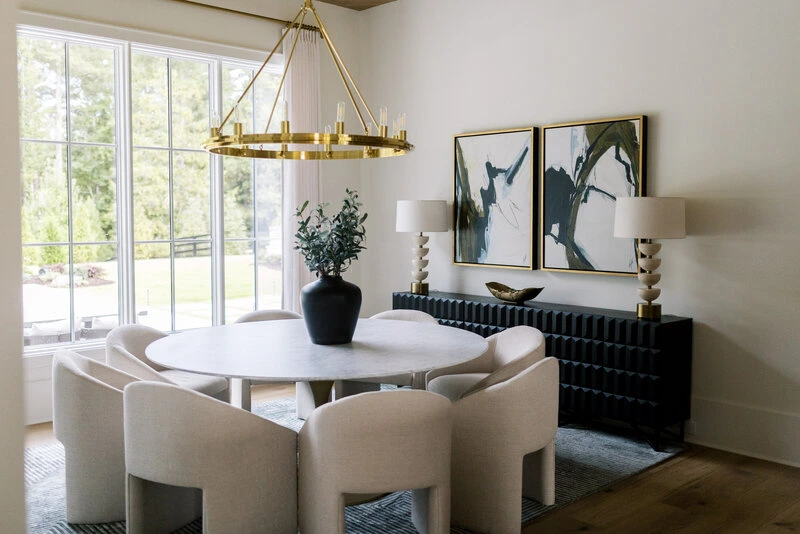
Dining Room
Make sure there is enough room to pull out chairs and move around the table. A smaller table may be a better choice if the dining area is narrow. Planning furniture first can save money and help you avoid buying pieces that do not fit.
Step 4: Set a Realistic Home Decorating Budget
If you are wondering how to decorate my house without spending too much, start by deciding what matters most. You do not need to buy every item at the same time.
Divide your budget into groups:
| Category | What to include |
| Furniture | Sofas, beds, tables, chairs |
| Lighting | Lamps, ceiling lights, wall lights |
| Window treatments | Curtains, blinds, shades |
| Soft furnishings | Rugs, pillows, bedding |
| Decorations | Mirrors, artwork, small accessories |
Spend more on items you use every day, such as a good sofa or mattress. You can save on smaller decorations and add them over time. Keep some money aside for delivery fees, assembly, and unexpected costs.
Step 5: Choose Lighting, Rugs, and Home Decorations
Once your main furniture is in place, you can focus on the smaller details. These items help make a room feel finished.
Lighting
Use more than one light source when possible.
For example, a living room can have a ceiling light, a floor lamp beside the sofa, and a table lamp near a chair.
This gives you different lighting options throughout the day.
Rugs
A rug can help define a seating area and make the room feel warmer. Choose a size that works with your furniture. A rug that is too small may make the seating area feel less connected.
Wall Art and Accessories
Choose artwork and decorations that reflect your interests. You do not need to fill every wall or shelf. Leaving some open space can help your favorite pieces stand out.
Step 6: Make Every Room Feel Connected
A whole home should feel like one space, even when each room has its own purpose. You can create this feeling by repeating a few design features.
For example, use similar wood tones, matching metal finishes, or related colors in different rooms.
You might choose black light fixtures in the kitchen and black picture frames in the hallway. These small details can help rooms feel connected. If you are decorating many rooms and need help keeping the design consistent, a whole home interior decor service can help you plan furniture, colors, and room layouts together.
Step 7: Know When to Ask for Professional Design Help
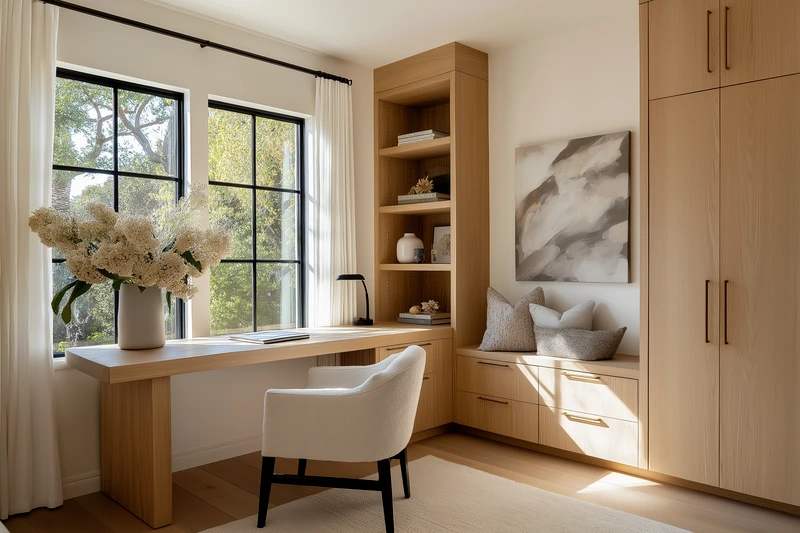
Some homeowners enjoy decorating on their own. Others may need help choosing furniture, planning layouts, or creating a style that works across several rooms. A whole home interior designer can help you organize your ideas and make choices that fit your needs. When comparing home decoration services, ask what is included. Some services focus on furniture and accessories. Others may include room plans, shopping lists, and design images that help you see the finished space. It is also useful to understand the difference between decorating and home renovation interior design.
Decorating usually focuses on furniture, colors, lighting, and accessories. Renovation design may also involve changes to built-in features, materials, or room layouts. For homeowners who want online design support, J.Miles Design offers a Whole Home Décor service focused on planning and decorating several spaces.
Common Home Decorating Mistakes to Avoid
- When learning how to decorate my house, it helps to know which mistakes can make the process harder.
- Buying furniture before measuring: A beautiful sofa may not fit through the doorway or leave enough walking space.
- Choosing too many styles: Mixing styles can work, but using too many unrelated colors and finishes may make rooms feel messy.
- Forgetting about lighting: Even a well-decorated room can feel uncomfortable when the lighting is poor.
- Decorating every room at once: Trying to finish everything quickly can lead to rushed purchases.
- Following every trend: Choose items you truly enjoy instead of buying something only because it is popular.
- Taking your time can help you make better choices and create a home you will enjoy for years.
Frequently Asked Questions
1. How do I start decorating my house from scratch?
Start by measuring your rooms, choosing a design style, and setting a budget. Focus on large furniture first, then add lighting, rugs, and decorations. You can decorate one room at a time while using a shared color scheme to keep the home connected. This approach makes the process easier to manage.
2. How can I decorate my house on a small budget?
Keep furniture that is still in good condition and spend money on items you need most. Paint, pillows, rugs, and lighting can change the look of a room without a full makeover. Compare prices before buying, and consider secondhand furniture when it is safe and in good condition.
3. Should every room in my house have the same style?
No. Each room can have its own look while sharing some colors, materials, or finishes. For example, your bedroom may feel softer and calmer than your living room. Repeating a few design details helps the home feel connected without making every space look identical.
4. What is the difference between home decorating and interior design?
Home decorating usually focuses on furniture, colors, rugs, artwork, and accessories. Interior design may also include space planning, built-in features, and other parts of how a room works. The exact work depends on the designer and the service package. Always check what is included before hiring someone.
5. How long does it take to decorate an entire house?
The time depends on the home’s size, your budget, and the furniture you need. Some rooms may take only a few weeks, while a full home can take several months. Custom furniture and delivery delays may also affect the schedule. A clear plan helps you decide what to complete first.
6. Is hiring a whole home interior designer worth it?
It can be helpful if you are decorating several rooms or have trouble making design choices. A designer may help with furniture layouts, colors, shopping plans, and a consistent style. Before hiring, compare the services, prices, and design process to decide whether the support is right for your project.
Decorate Your Home With a Clear Plan
If you have been asking, “how to decorate my house,” remember that a good home starts with a clear plan, not a long shopping list. Choose a style that fits your taste, set a budget, plan furniture layouts, and use colors and materials that connect your rooms. Take your time and focus on comfort as well as appearance.
You can also explore J.Miles Design’s Whole Home Décor services if you would like help planning a home that feels personal, welcoming, and well put together.


