
The outside of your home is the first thing people notice. It shows your style and creates a welcoming feeling before anyone steps inside. However, choosing the right colors, materials, and details can be difficult when there are so many options. Improving the outside design of a house does not always mean making expensive changes. Sometimes, a fresh paint color, better lighting, or a new front door can make a big difference.
At J.Miles Design, homeowners can explore design ideas that help create a more beautiful and comfortable home. In this guide, you will learn how to improve your home’s exterior, choose matching colors, select suitable materials, and avoid common design mistakes.
1. Start by Understanding Your Home’s Style
Before changing the outside design of a house, look at its current structure. Every home has a style that can help guide your choices.
For example, a farmhouse may look beautiful with white siding, wooden details, and simple black windows. A traditional brick home may look better with classic colors and carefully chosen trim.
Some common home styles include:
- Modern: Clean lines, simple shapes, and neutral colors.
- Farmhouse: Light colors, natural wood, and welcoming porches.
- Traditional: Brick walls, balanced windows, and classic details.
- Coastal: Soft blues, whites, and light natural finishes.
- Craftsman: Covered porches, warm colors, and detailed woodwork.
When exploring house exterior design ideas, choose features that match your home’s structure. A good design should make the whole house feel connected rather than making every feature stand out on its own.
2. Choose Exterior Colors That Work Together
Color is one of the easiest ways to change how a home looks. The right color combination can make an older home feel fresh without changing its structure.
If you are wondering how to choose exterior house colors, start by looking at features you do not plan to replace. These may include the roof, brick, stone, and windows.
For example, if your roof has warm brown tones, you might choose cream, beige, or warm gray for the siding. A cooler gray roof may work better with white, soft gray, or certain blue shades.
Follow a Simple Color Plan
Try using three main colors:
- Main color: Used on siding or most outside walls.
- Trim color: Used around windows, doors, and roof edges.
- Accent color: Used on the front door, shutters, or small details.
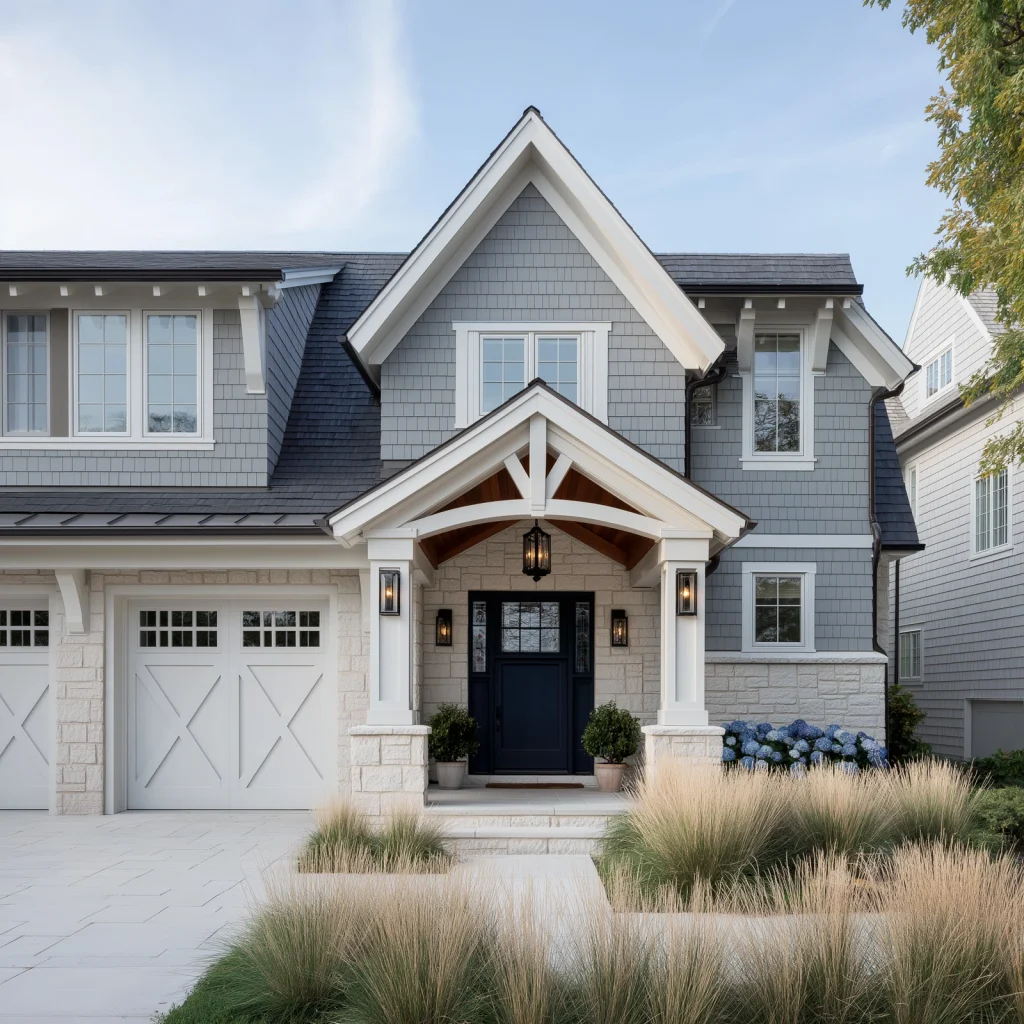
A white house with black trim and a natural wooden door is one example. Always test paint samples outdoors. Colors can look different in morning sunlight, afternoon shade, and cloudy weather. This simple step can help you avoid choosing a color that looks great online but feels wrong on your home.
3. Explore Modern Home Exterior Design Ideas
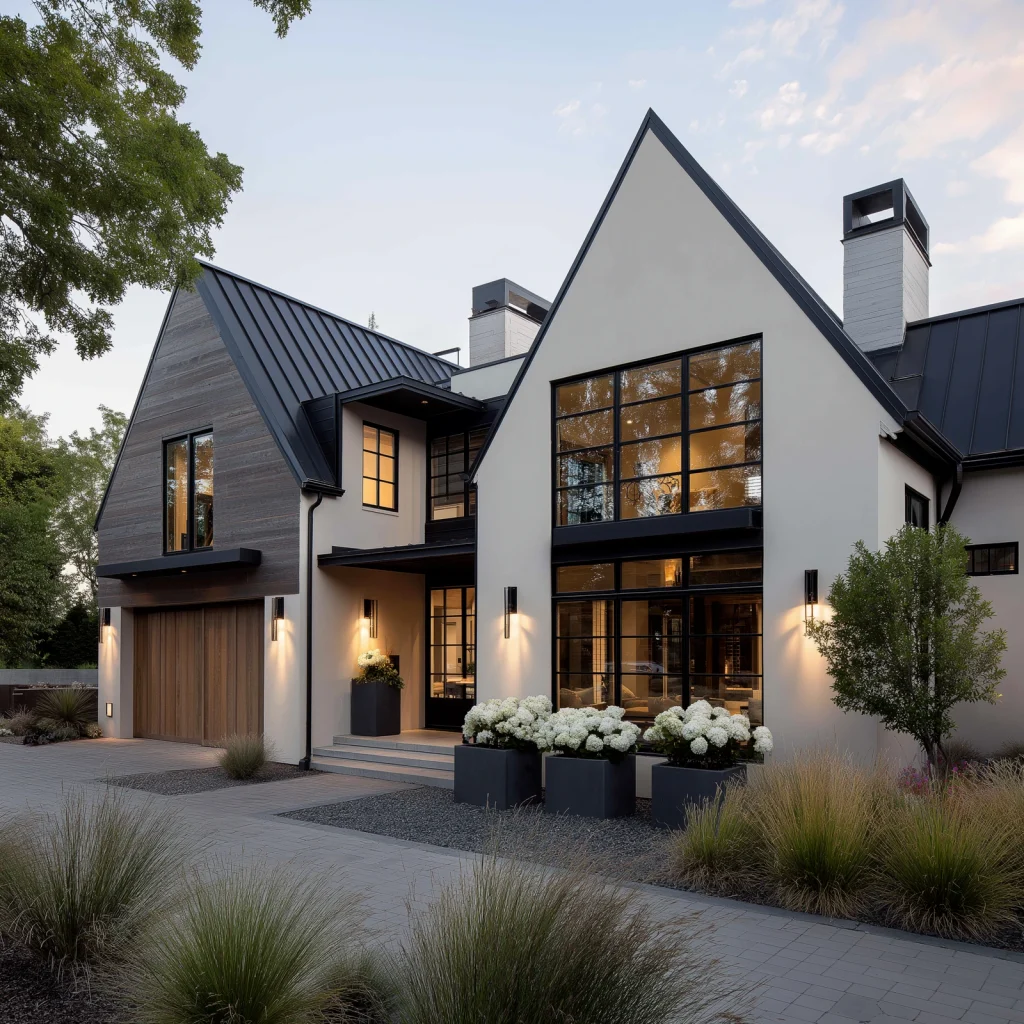
Modern home exterior design often focuses on simple shapes, balanced colors, and clean details. You do not need to build a completely modern house to use these ideas. Small updates can give an older home a cleaner and more updated appearance.
Consider these changes:
- Replace outdated outdoor lights with simple fixtures.
- Choose a front door that matches the home’s style.
- Use matching finishes for door handles and lighting.
- Reduce unnecessary decorations around the entrance.
- Combine smooth siding with carefully placed wood or stone accents.
Natural materials can also add warmth to modern homes.
For example, white siding, dark window frames, and a wooden front door can create a simple look without making the house feel cold.
The goal is to choose a few features that work well together instead of following every new trend.
4. Select Exterior Materials That Match Your Home
Materials affect both the appearance and care needs of your home. They also play an important role in the outside design of a house. Before selecting a material, think about your local weather, maintenance needs, and budget.
Common Exterior Materials
| Material | Main Benefit | What to Consider |
| Vinyl siding | Usually affordable and easy to clean | Can fade or become damaged |
| Fiber cement siding | Offers different finishes and good durability | Installation can cost more |
| Brick | Classic look and long-lasting finish | Color changes can be difficult |
| Natural wood | Adds warmth and character | Needs regular care |
| Stone accents | Creates texture and visual interest | Can be expensive |
You do not need to use several materials to create an attractive exterior.
In many cases, one main material with a small accent area looks better than mixing too many finishes.
Also, consider how the materials will look after several years. A beautiful finish should be suitable for your home’s climate and the amount of care you can provide.
5. Give Your Front Entrance More Attention
The front entrance is one of the most important parts of your home’s exterior. A welcoming entrance can improve curb appeal even when the rest of the house stays the same. Start with the front door. A new paint color or updated handle can make a simple door look more attractive. Next, look at the lighting. Wall lights placed beside the door can make the entrance feel warm and inviting after sunset.
You can also add:
- A simple welcome mat.
- Matching outdoor planters.
- Clear and stylish house numbers.
- Comfortable porch seating, if space allows.
- A clean walkway leading to the entrance.
Try not to overcrowd a small porch. A few carefully selected pieces can create a better look than too many decorations.
6. Plan Your Home Exterior Makeover Before Spending Money
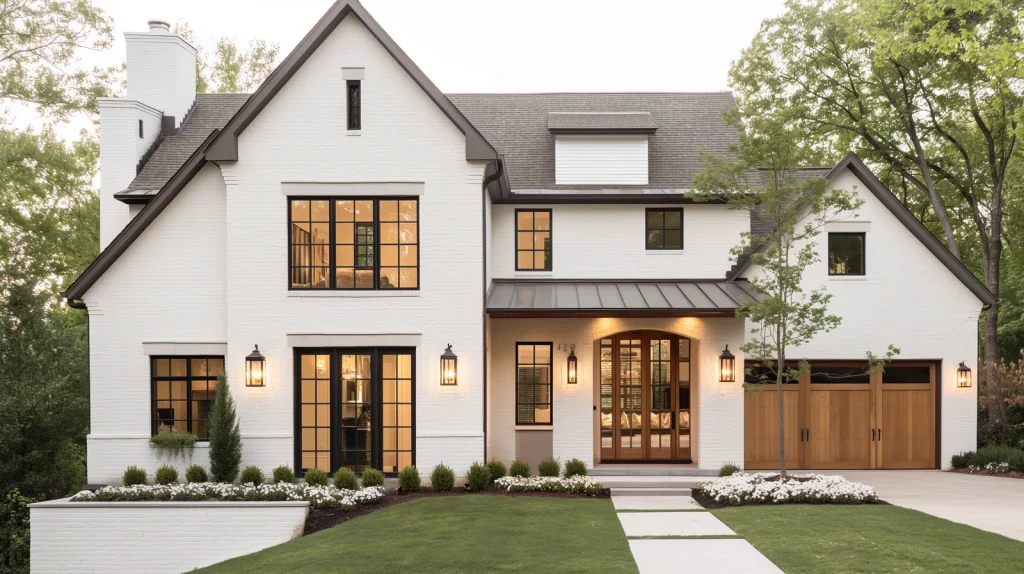
A home exterior makeover becomes easier when you decide what matters most before making purchases. Walk around your house and take pictures from different angles. Look for faded paint, damaged siding, poor lighting, or details that no longer match. Then divide your ideas into three groups: changes you need, changes you want, and changes you can make later.
For example, repairing damaged siding may be more important than replacing a working front door.
If you find it difficult to picture how new colors and materials will look together, professional guidance can help.
J.Miles Design’s exterior design services offer virtual design options with material recommendations, color selections, and design visuals. This can help homeowners plan a more connected exterior look before purchasing finishes or decorative items. A clear plan also makes it easier to discuss your ideas with painters, installers, and other professionals.
7. Use Landscaping to Support Your Exterior Style
Plants and outdoor spaces can make a home feel more welcoming. Even a simple front yard can look attractive when the plants, pathways, and exterior colors work together.
Here are some ways to improve the outdoor appearance:
- Keep garden beds neat and easy to maintain.
- Use plants that grow well in your local climate.
- Avoid covering important windows with large shrubs.
- Choose planters that match the home’s colors.
- Keep walkways clear and comfortable to use.
For example, a light-colored farmhouse may look beautiful with green shrubs, natural stone paths, and simple wooden details.
Remember that landscaping should support the outside design of a house rather than hide its best features. If you plan to make major changes to your yard, consider working with a qualified landscaping professional.
8. Know When Exterior Home Remodeling Is Necessary
Not every exterior problem can be solved with paint or decoration. Sometimes, exterior home remodeling is needed because materials are damaged, the layout is outdated, or important parts of the house need repair.
For example, you may need remodeling work when:
- Siding has serious damage.
- Windows need replacement.
- Porch steps are unsafe.
- Water is entering through exterior walls.
- Roofing materials are worn or damaged.
These issues should be checked before starting decorative improvements. It is also important to understand the difference between exterior design and exterior remodeling. Exterior design focuses on choosing colors, materials, and details that create an attractive look. Remodeling may involve construction, repairs, or changes to the home’s structure. For major remodeling projects, always check local permit rules and work with qualified professionals.
9. Avoid Common Exterior Design Mistakes
Even beautiful materials can look wrong when they are not used together carefully. When planning the outside design of a house, try to avoid these common mistakes.
Choosing Too Many Colors
Using several strong colors can make a house look busy. Start with a simple color plan and add small accents when needed.
Ignoring the Roof Color
The roof takes up a large part of your home’s appearance. Choose siding and trim colors that work with it.
Following Every Trend
A popular color or material may not match your home’s architecture. Choose features you can enjoy for years.
Forgetting About Maintenance
Some finishes need more care than others. Consider cleaning, repairs, and weather exposure before buying.
Making Changes Without a Plan
Buying paint, lighting, and decorative items separately can lead to a mismatched result. Create a complete design plan before making major purchases.
10. Bring Your Exterior Design Ideas Together
Improving the outside design of a house is easier when you think about the whole property instead of one feature at a time. Start by choosing your preferred style. Then select colors and materials that match the home’s structure. After that, focus on smaller details such as lighting, door finishes, and porch decorations. Before making final choices, review pictures or samples of everything together. A mood board can be useful because it lets you compare colors, textures, and finishes in one place. You can also make changes in stages if your budget is limited. For example, begin with paint and lighting, then update your front door or outdoor details later. The most important step is to create a plan that fits your home, budget, and personal style.
Make Your Home’s Exterior Feel Complete
A beautiful home exterior does not need expensive materials or major changes. The best results often come from thoughtful choices that bring colors, materials, and small details together. Whether you prefer a traditional home or a modern style, the outside design of a house should feel welcoming and reflect your personal taste. Start with the features your home already has, decide what needs improvement, and make changes that fit your budget. If you want professional help choosing exterior colors, finishes, and decorative details, consider exploring the virtual design options available through J.Miles Design.
Frequently Asked Questions
1. What is the best way to improve the outside design of a house?
Start by checking your home’s current colors, materials, and overall condition. Look for areas that need attention, such as faded paint, outdated lighting, or an old front door. Choose a simple design style and make sure your changes work together. Small updates can improve curb appeal without requiring major construction.
2. How can I improve my home’s exterior on a small budget?
Begin with affordable improvements such as cleaning the siding, painting the front door, replacing house numbers, and adding outdoor lighting. You can also improve your entrance with simple planters. Focus on one area at a time and avoid replacing features that are still in good condition.
3. What are some simple house exterior design ideas?
Some useful house exterior design ideas include updating the front door, choosing matching trim colors, improving porch lighting, and adding natural materials. You can also refresh outdoor decorations or repair worn finishes. The best ideas depend on your home’s size, style, and existing features.
4. Is modern home exterior design suitable for older houses?
Yes. Modern home exterior design ideas can work for older homes when they are chosen carefully. You can add simple lighting, update exterior colors, or use cleaner decorative details. However, major changes should respect the home’s original structure. The goal is to improve its appearance without removing the features that make it special.
5. How often should I update my home’s exterior?
There is no fixed schedule for every home. The right time depends on your materials, weather conditions, and maintenance needs. Some homes may only need cleaning or minor paint repairs. Others may need more work because of damage or wear. Check your exterior regularly and address problems before they become larger.
6. What is the difference between exterior design and exterior remodeling?
Exterior design focuses on improving how a home looks through colors, materials, finishes, and decorative details. Exterior remodeling usually involves physical changes, such as replacing siding, rebuilding a porch, or changing windows. Design planning can help you make decisions before remodeling begins, but construction work may require separate professionals and permits.


