
How interior design affects mental health is a question that has gained significant attention in recent years as people spend more time in their homes and become more aware of how their environment shapes their emotions. The spaces we live in are not just visual experiences. They actively influence stress levels, focus, sleep quality, and overall emotional wellbeing. Whether you’re working with a professional Virtual Interior Design service or redesigning your own home, thoughtful design decisions can significantly improve how your space feels.
Modern research in interior design psychology shows that our surroundings constantly send signals to the brain. Light, color, layout, and even clutter levels can either calm the nervous system or overstimulate it. This connection between interior design and mental health is now a key focus in wellness interior design and therapeutic interior design approaches.
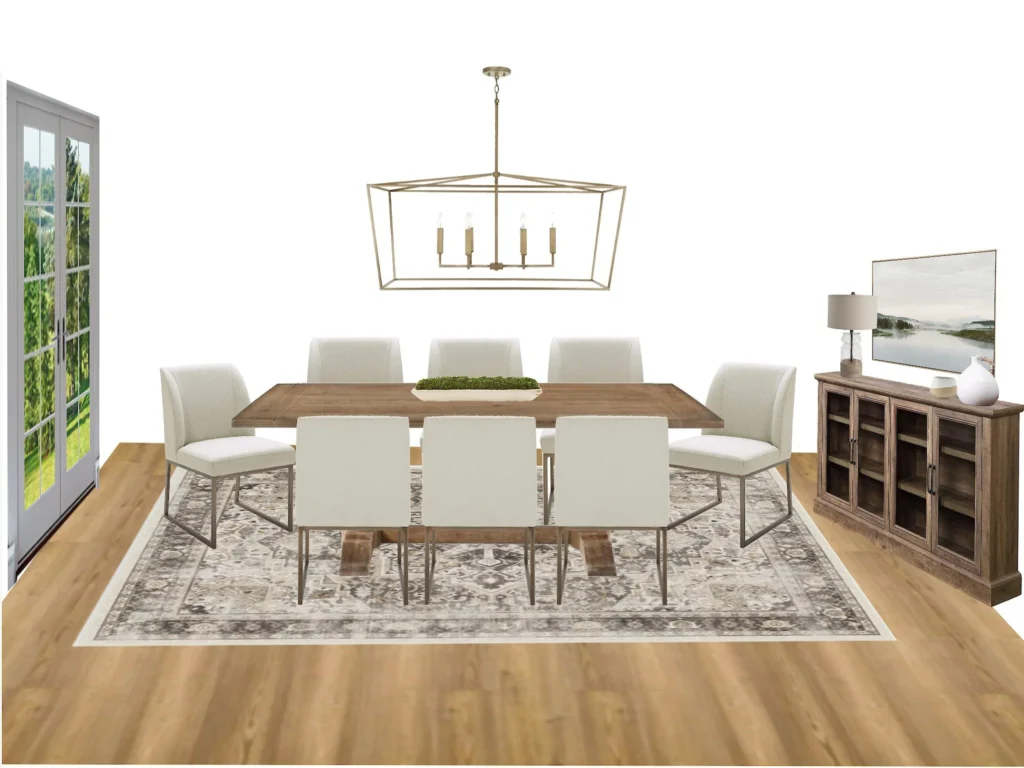
How does interior design affect mental health?
Interior design affects mental health by influencing how the brain processes safety, comfort, and stimulation. When a space feels balanced, organized, and visually coherent, the nervous system tends to relax. On the other hand, chaotic layouts, harsh lighting, or excessive clutter can increase cognitive load and create subtle but constant stress. This is why how your home affects your mental health is not just a lifestyle question but also a psychological one.
The brain is always scanning the environment for signals of order or disorder, and those signals directly affect emotional regulation. At J. Miles Design, we often see how even small design adjustments—such as improving lighting or simplifying layouts can noticeably shift how a space feels emotionally. These changes are not just aesthetic; they are functional for wellbeing.
Can changing my room improve my mood?
Yes, changing your room can significantly improve your mood because interior design directly influences emotional processing. This is one of the core principles of interior design for wellbeing. A room that feels cramped, poorly lit, or visually overwhelming can contribute to fatigue and irritability. In contrast, a well-balanced space with intentional design choices can create a sense of calm and control.
This is also where emotional interior design becomes important. Instead of focusing only on appearance, emotional design considers how a space should feel—calm, energized, grounded, or restful. Even simple changes like reorganizing furniture, reducing visual clutter, or adjusting lighting can create a noticeable psychological shift.
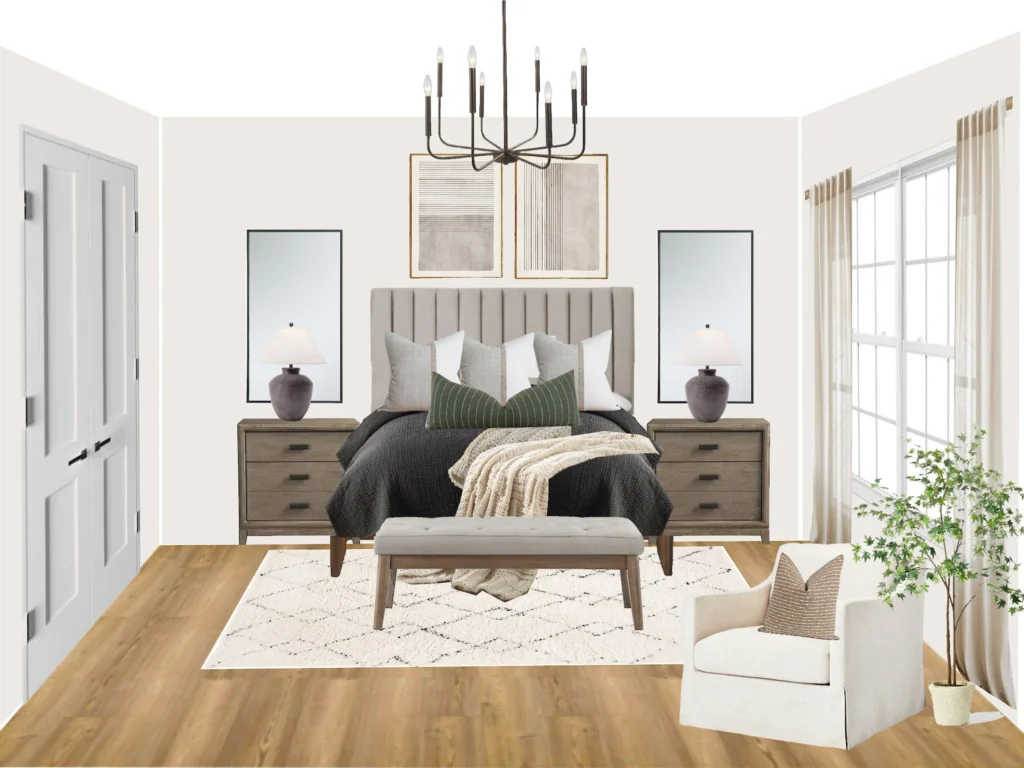
What home design choices reduce stress?
Stress reduction in design comes down to reducing cognitive overload. The brain prefers environments that are predictable, organized, and easy to visually process. Some of the most effective design strategies include simplifying layouts, reducing unnecessary décor, and maintaining visual balance across the room.
This is closely linked to the psychology of interior design, where clarity and structure help the mind feel more at ease. Natural materials, soft textures, and warm lighting also play a role in lowering stress responses. These elements signal safety to the brain, making the environment feel more grounded and stable.
At J. Miles Design, we often approach residential projects by first removing visual noise before adding design elements. This helps create spaces that feel lighter and more intentional, rather than overwhelming.
How do colors affect mental health in interior design?
Color has a direct psychological impact on mood, which is why it is a central part of interior design and mental health discussions. Soft, muted tones tend to feel calming because they reduce visual stimulation. Cooler shades like soft blues and greens are often associated with relaxation, while overly saturated colors can feel energizing or even stressful depending on context.
However, color psychology is not universal. The effect of color depends on lighting, surrounding materials, and personal experience. This is where professional guidance becomes important in wellness interior design, as colors must be selected in relation to the entire environment, not in isolation.
What makes a home feel calming?
A calming home is one that reduces mental friction. This means the environment feels organized, predictable, and visually balanced. One of the biggest factors is clutter. How does clutter affect the brain? Research suggests that excessive visual clutter increases stress and reduces the brain’s ability to focus. It creates constant low-level distraction, even when we are not actively noticing it.
Lighting is another key factor. Natural light helps regulate circadian rhythms, while soft artificial lighting in the evening supports relaxation and sleep. Biophilic design and mental health research also shows that incorporating natural elements like plants, wood textures, and natural light can significantly improve emotional wellbeing. These elements reconnect the brain with natural environments, which reduces stress and improves mood stability.
What is the best interior design style for mental wellness?
There is no single “best” style, but some design approaches are more aligned with mental wellbeing than others. Minimalist and transitional styles often perform well because they emphasize clarity and balance. However, the most effective approach is one that is intention-based.
Neuroarchitecture interior design and neuroaesthetics interior design research both suggest that the brain responds more positively to environments that are structured, proportionate, and free from excessive visual conflict. This is why wellness interior design focuses less on strict style categories and more on how a space supports emotional and cognitive health.
How can I design my home for better sleep?
Sleep quality is strongly influenced by the environment. The brain needs clear signals that a space is meant for rest, not stimulation. Reducing bright lighting in the evening, avoiding visually busy décor in the bedroom, and using calming color palettes can all help improve sleep quality. Soft textures and layered lighting also create a sense of comfort that supports relaxation.
The bedroom should feel separate from high-stimulation areas of the home. This psychological separation helps the brain associate the space with rest, which improves sleep over time. At J. Miles Design, we often design bedrooms with a focus on sensory calmness reducing visual noise, softening contrasts, and creating a gentle flow that supports winding down at the end of the day.
What does science say about interior design and mental health?
Scientific research increasingly supports the idea that environment shapes mental state. Studies in environmental psychology show that spatial design influences stress hormones, attention span, and emotional regulation. This is the foundation of home design and mental health research. The environment is not passive—it actively participates in shaping behavior and mood.
This growing field is why concepts like neuroaesthetics interior design and therapeutic interior design are becoming more widely discussed. They focus on how visual environments affect the brain’s reward system and emotional responses.
Final Thoughts
Interior design affects mood, stress levels, sleep quality, and overall mental wellbeing in ways that are often underestimated. From lighting and layout to color and clutter, every design decision contributes to how a space feels emotionally.
Understanding how interior design affects mental health is not about creating perfect spaces, but about creating supportive ones—spaces that help the mind relax, focus, and recover. At J. Miles Design, we see this connection every day in our virtual interior design projects. When a home is designed with intention, it becomes a space that actively supports mental clarity and emotional wellbeing.


